
Oak
Identity Management, Cyber

Company's Profile
| Established: | 2025 |
| Line of Business: | Identity Management, Cyber |
| Address: | Landmark Tower, 2 Leonardo da Vinci St., Tel Aviv |
| Email: | [email protected] |
| Website: | https://www.oak.id |

Company Executives
-
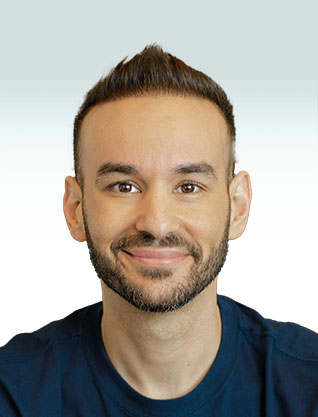
Tal Marom
Co-Founder and VP Product
Oak
-

Liat Dvir
Chief People Officer
Oak
-
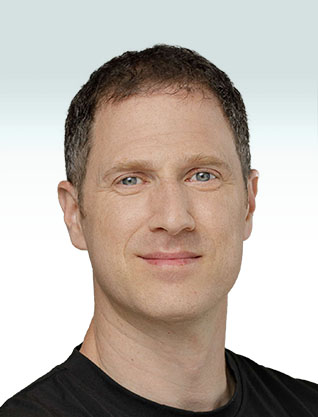
Yuval Raban
VP R&D
Oak
-
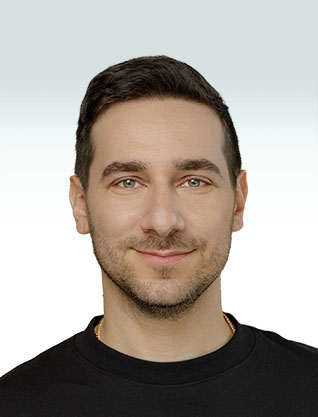
Ilai Gilenberg
VP Solutions
Oak
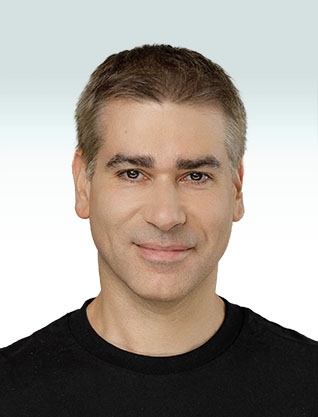

About Oak
Oak is an innovative cybersecurity company developing the identity security operating system for large enterprises. Recognizing that the workplace is changing, the company was built from the ground up for a reality in which the organization is no longer made up of human employees alone. Alongside employees, vendors and enterprise applications, organizations now run service accounts, automated systems and AI agents, each of which may have access to critical data and systems. Oak aims to change the “operating model” of identity management and security tools: from a fragmented, decentralized stack of tools to a single, unified identity operating system. This approach allows the organization to understand which entity (human or AI) holds a permission, to which systems, and what is actually being done with it. In addition, the company’s innovative operating model gives it unique flexibility, with exceptionally fast adaptation to customers’ changing and evolving needs and rapid deployment of solutions.Oak was founded in December 2025 by CEO Shai Morag and Tal Marom, Co-Founder and Chief Product Officer (CPO). The company is based in Israel and San Francisco. Oak raised $60 million in a seed round co-led by Accel, CRV and Greylock, with participation from Hetz Ventures and AlphaDrive Ventures, to expand its teams in Israel and accelerate platform development. The company already works with enterprise customers and also offers dedicated implementation support, which includes building identity programs end to end.
A live identity map instead of scattered data
Oak’s starting point is that identity management has become one of the core challenges of information security. Large enterprises run cloud tools, on-premises systems, internal applications and SaaS platforms, each recording users, permissions and activity separately. The result is a partial picture: security teams sometimes know who was granted access, but not always who still needs it, what is being done with it, and whether it creates risk. Oak’s platform connects these disparate systems and builds a continuously updated identity map covering every human, machine and AI agent. It relies on the data the systems actually generate, not just on static permission records, and enriches every identity with context: ownership, risk level, usage patterns and the sensitivity of the data it can access. The goal is not only to surface risk, but to enable remediation at its source.
Identity management for AI agents, too
One of Oak’s key capabilities is its ability to build a complete picture of every identity in the organization, including non-human identities, with all the information needed to understand it in depth. An AI agent can hold access keys, act on behalf of an employee, connect to systems and perform actions autonomously. Legacy identity management systems were built primarily for human employees and stable environments, and therefore do not necessarily provide full coverage for agents, whether they were built in-house, purchased as an external service, or operating without proper registration.
Oak aims to apply the same accountability and control mechanism applied to employees, to every agent and non-human identity : identify it, tie it to a responsible human owner, review the permissions it has been granted, and monitor its behavior over time. This link between identity, ownership, permission and activity enables organizations to manage the growing use of AI without leaving security blind spots.
A product built from the field
Before developing the product, the company’s founders held in-depth conversations with CISOs to focus the solution on the challenges organizations actually face. This approach is also reflected in the platform’s architecture: the ability to connect to cloud systems, SaaS applications, on-premises environments and in-house developments, and to build new integrations in a fraction of the time typical of legacy systems. The company also maintains a policy of listening closely to customers, addressing the problems and needs that arise from the rapid adoption of AI, and incorporating them into its systems quickly and seamlessly.
Unique, deep expertise in the cybersecurity industry
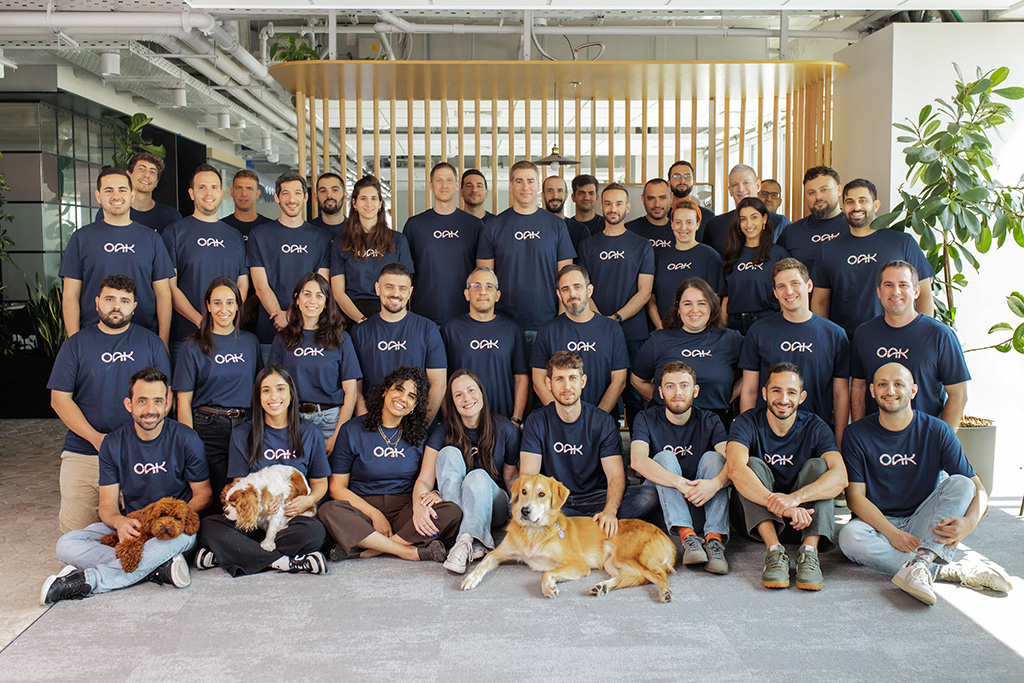
Shai Morag, Co-Founder and CEO, is one of the leading figures in the Israeli cybersecurity industry. He brings more than two decades of experience in the field, having founded Integrity-Project, Secdo and Ermetic, which were acquired by Mellanox (now part of NVIDIA), Palo Alto Networks and Tenable, respectively. Following the acquisition of Ermetic, he served as Chief Product Officer of Tenable. Marom, Co-Founder and CPO, previously led product teams at Tenable and Salesforce. The two founders’ combined experience in enterprise and cloud security is part of the professional foundation on which the company was built.In addition to its founders, the Oak team includes highly experienced professionals in cybersecurity and identity, whose expertise places Oak at the forefront of the technology, with the ability to deploy innovative solutions deeply, at high quality and at speed.
Growth built on shared ownership
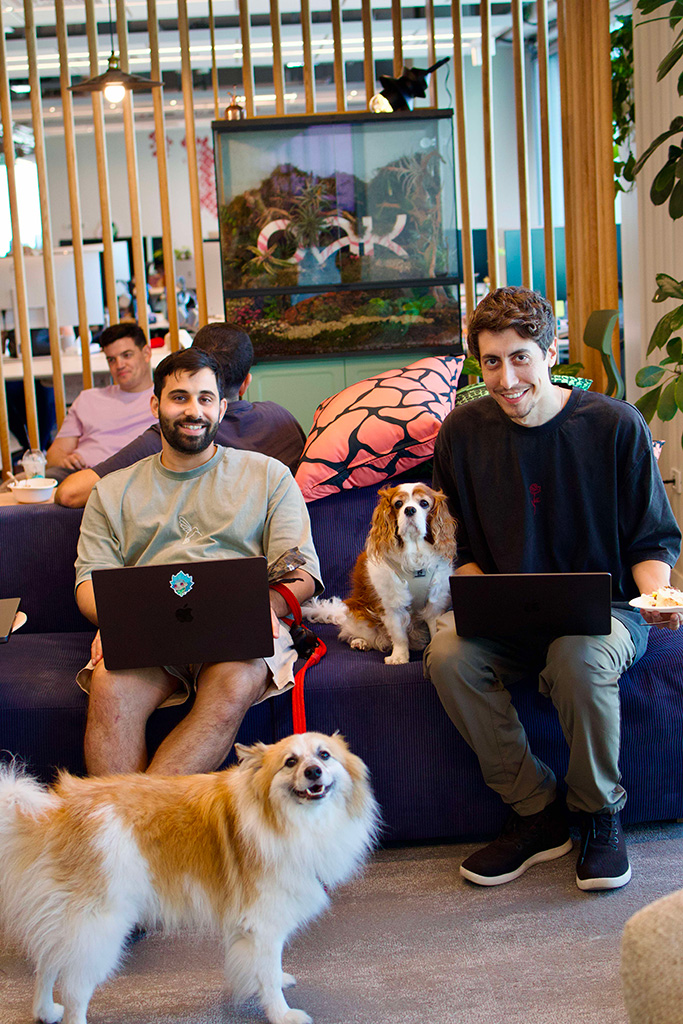
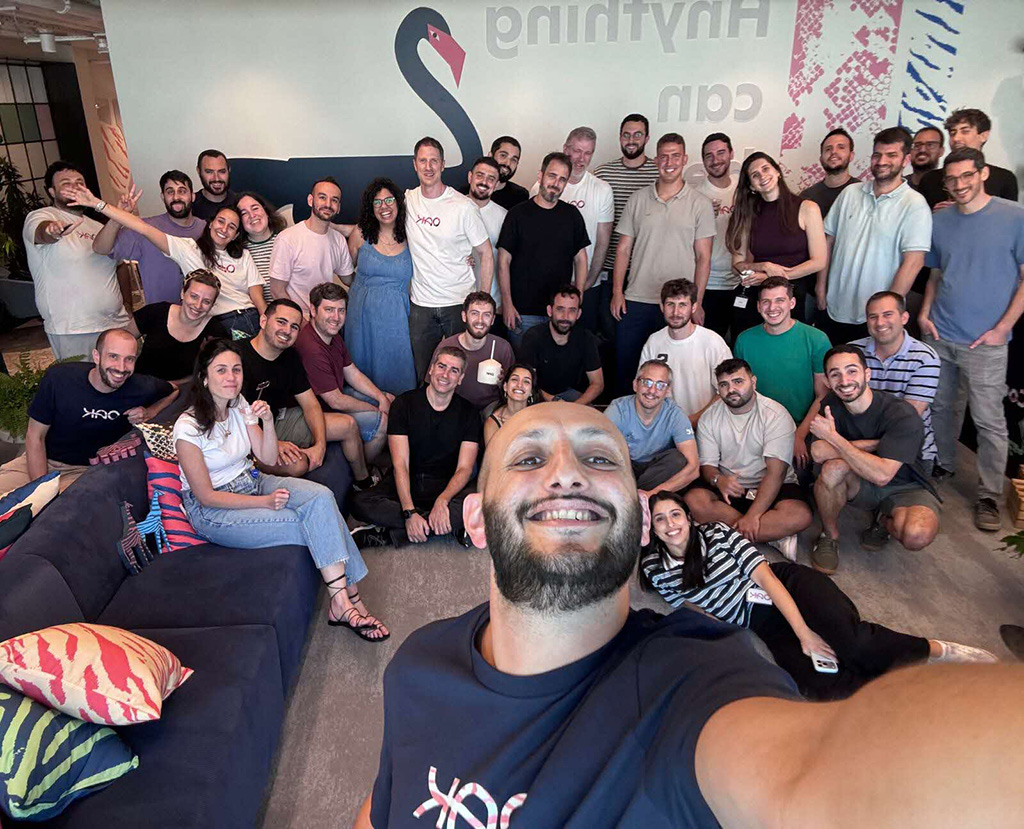
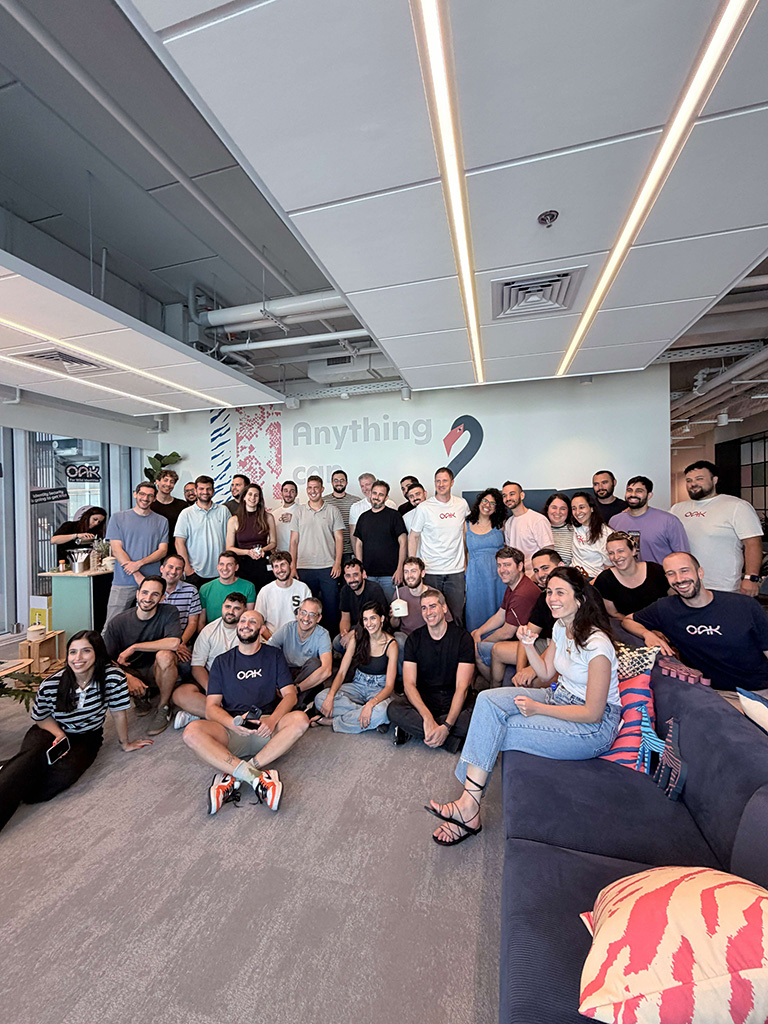
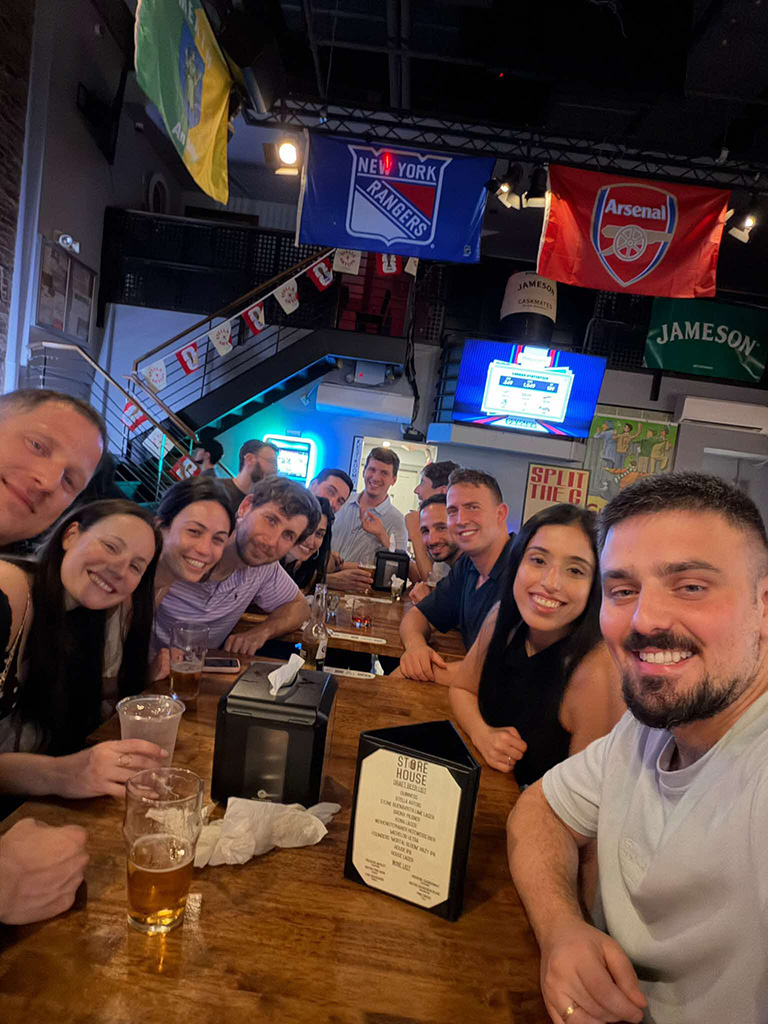
Oak is building a work culture in which responsibility does not stop at the boundaries of one’s role. According to the founders’ philosophy, team members are expected to identify problems, propose a course of action and drive solutions, based on professional trust and collaboration. This approach also mirrors the way the product works: instead of separate, fragmented layers of data, responsibility and tools, it builds a single system that connects them and provides a complete, comprehensive picture.

Photo Gallery


You may also like
-
 DUN'S 100
Employing Contractor and Staffing Agency Workers: How to Reduce Exposure to Labor Law Claims
In recent years, labor courts have expanded the responsibility of service recipients toward contractor employees. Adv. Menachem Ofer, Partner and Head of the Labor Law Department at Steinmetz, Haring, Gurman & Co., explains how companies can reduce their legal and financial exposure.
Employing Contractor and Staffing Agency Workers: How to Reduce Exposure to Labor Law Claims
-
 Law
When Regulation Creates Markets: The Circular Economy Business Case
When Regulation Creates Markets: The Circular Economy Business Case
-
 Law
Will vs. Enduring Power of Attorney: Planning Your Estate and Personal Care
Will vs. Enduring Power of Attorney: Planning Your Estate and Personal Care
-
 Law
Intergenerational Transfer – Family, Resilience, and Everything in Between
Intergenerational Transfer – Family, Resilience, and Everything in Between