
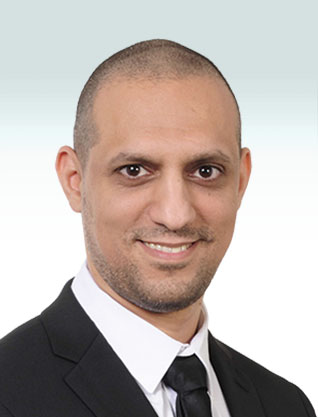
Adv. Yossi Cohen
Partner, Head of Nursing Care Department


| Year of Birth: | 1980 |
| Email: | [email protected] |
| Facebook: | Click to View |
| Fields: | Insurance Claims / Tort Law |
| Position: | Partner, Head of Nursing Care Department |
| Seniority in position: | Since 2021 |
| Education: | LL.B. |
| Member in: | Israel Bar Association |
| Languages: | Hebrew, English |
| Military Rank: | Sergeant First Class |
What are the firm’s key strengths in your view?
One of the most significant - and perhaps less obvious - strengths is the firm’s organizational stability and its commitment to employees, particularly during times of crisis.
The firm has proven itself both during the COVID-19 period and throughout wartime, not only in maintaining business continuity but also in its ability to support its people. No employees were placed on unpaid leave, salaries were paid on time, and a genuine support framework - financial, professional, and personal - was consistently provided.
This approach instills a strong sense of security and peace of mind among employees, knowing that the organization stands firmly behind them even when external circumstances are highly complex. This is not only a managerial strength but a value-driven statement that permeates all levels of the organization, directly impacting both the quality of work and long-term employee commitment.
What are the firm’s main challenges in the coming years?
The primary challenge is managing growth without compromising quality. As caseloads increase and workloads intensify, there is a risk of losing control, reduced precision, or professional burnout. The challenge lies in building mechanisms that enable growth while maintaining a high professional and human standard.
Additionally, recruiting and training the right people presents an ongoing challenge - not only in terms of professional capabilities but also in terms of mindset and approach.
What is your advice to a manager at the beginning of their career?
First, understand that management is a profession in its own right, not merely an extension of professional work. Second, do not try to do everything alone - build your team, delegate authority, trust your people, but also set clear expectations. Third, be very clear about goals and expectations; lack of clarity is a common source of organizational issues.
What is important to remember, even in difficult times?
Not every problem is a failure - many challenges are simply part of the journey. Good decisions are made when maintaining composure and not acting out of pressure or fear. Above all, remain consistent. An organization is tested not in its best moments, but in how it conducts itself when things are less favorable.